TRENDING

Thursday, 15 October 2026
----------------------
4 Jumada Al-Awwal 1448 AH
Israeli Prime Minister Benjamin Netanyahu faces criticism from his own coalition partners and former military leaders after US President Donald Trump intervened to halt Israeli strikes on Hezbollah in Beirut, highlighting tensions within Israel's political system over military decision-making.
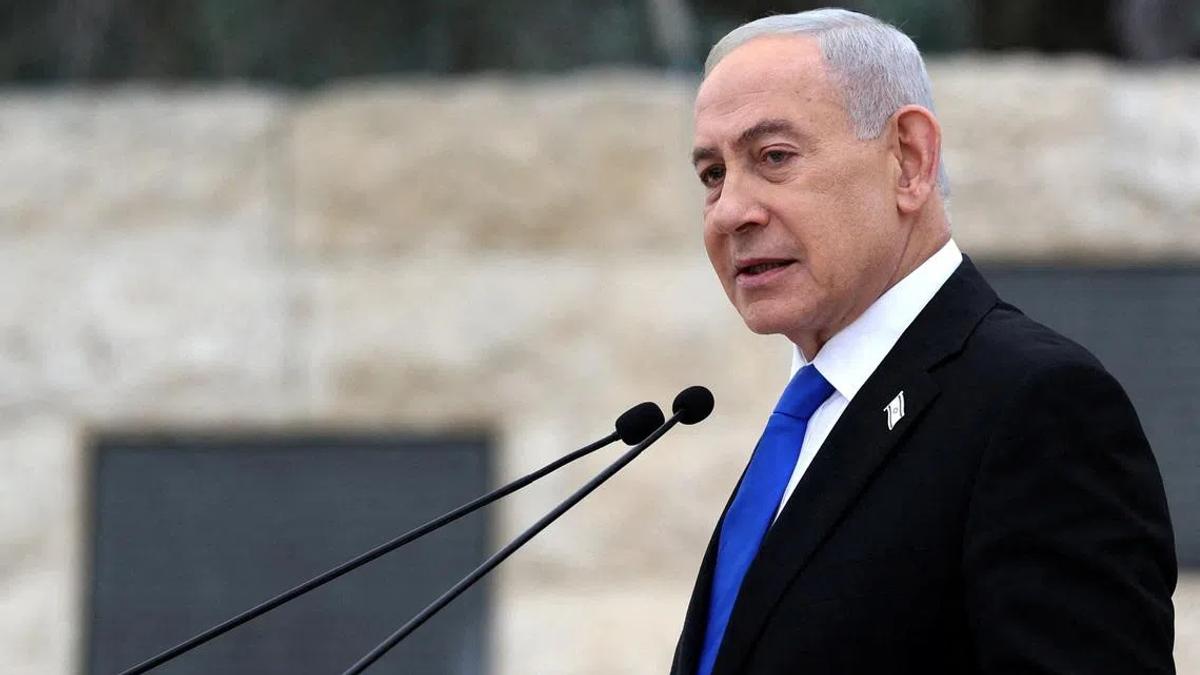
Israeli Prime Minister Benjamin Netanyahu is facing intense criticism from his own coalition partners and former military leaders after US President Donald Trump intervened to halt Israeli strikes on Hezbollah in Beirut. The move has highlighted growing tensions within Israel's political system over the extent to which military decisions should be coordinated with its closest ally, the United States.
The conflict between Israel and Hezbollah began on March 2, when Hezbollah fired into Israel in support of Iran. Since then, Israel has deepened its invasion of southern Lebanon, displacing over a million people and killing more than 3,400. Hezbollah has fired rockets and explosive drones at Israeli troops and northern Israeli towns, leading to a significant escalation of the conflict.
Netanyahu's decision to halt strikes on Hezbollah was likely driven by pressure from Trump, who has been pushing for a ceasefire in the region. However, this move has been met with criticism from Netanyahu's coalition partners, who argue that the prime minister has acquiesced to Trump on issues of national security. Naftali Bennett, a right-wing security hawk and former premier, accused Netanyahu of having lost control of Israeli sovereignty, while centrist Yair Lapid accused him of allowing the US to dictate Israeli military policy.
The ceasefire has significant implications for the region, particularly for Lebanon and Iran. The agreement has halted the escalation of violence between Israel and Hezbollah, but it also raises questions about the long-term stability of the region. The conflict has already displaced over a million people and killed thousands, and the ceasefire may not address the underlying issues that led to the conflict in the first place.
The consequences of the ceasefire will be far-reaching, particularly for Netanyahu's government. The criticism he has faced from his coalition partners and former military leaders will likely continue, and may even lead to a loss of support within his own party. Additionally, the ceasefire may have significant implications for the upcoming elections in Israel, which are due by October.
The criticism Netanyahu has faced over the ceasefire highlights the growing tensions within Israel's political system over military decision-making. The move has also raised questions about the extent to which Israel should coordinate its military decisions with the US. While the ceasefire may have halted the escalation of violence between Israel and Hezbollah, it also raises concerns about the long-term stability of the region.
Editor's Note: The analysis is based on publicly available information and may not reflect the full complexity of the situation.
Source referenced: STRAITSTIMES
This brief was synthesized by our Editorial Engine and reviewed by The Ground Narrative team.


