TRENDING

Sunday, 25 October 2026
----------------------
14 Jumada Al-Awwal 1448 AH
A four-year-old Lebanese girl's recovery from war trauma highlights the devastating effects of conflict on children in the region.
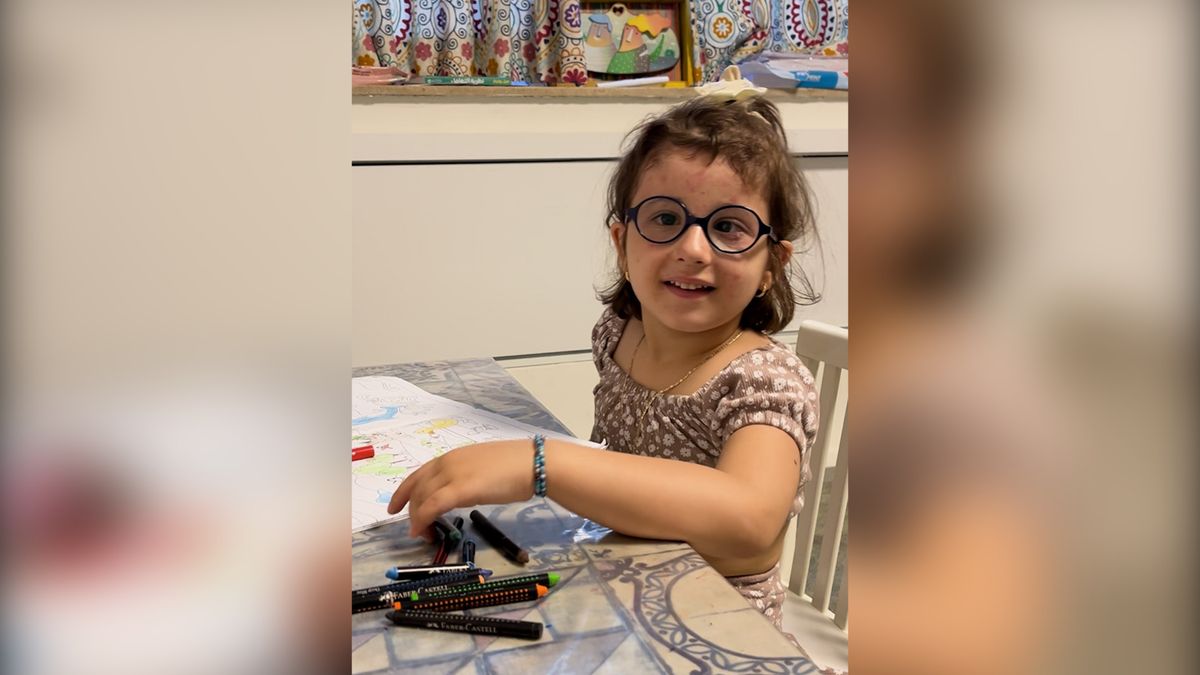
The story of four-year-old Malika, who was seriously wounded in an Israeli attack that killed her mother while shielding her from falling debris, serves as a poignant reminder of the lasting impact of war on children in Lebanon. Malika's recovery, with support from her family and the Ghassan Abu Sitta Children's Fund, is a testament to the resilience of children in the face of unimaginable trauma.
Lebanon has been embroiled in conflict for decades, with the Israeli-Palestinian conflict being a major contributor to the country's instability. The 2006 Lebanon War, the 2008 Gaza War, and the 2014 Gaza War have all had a devastating impact on the country's civilian population, particularly children. The ongoing conflict has resulted in the displacement of thousands of children, many of whom have been forced to flee their homes and live in refugee camps.
The impact of war on children in Lebanon has far-reaching regional implications. The trauma experienced by children in Lebanon can have long-term consequences, including increased aggression, anxiety, and depression. This can have a ripple effect, contributing to a cycle of violence and instability in the region. Furthermore, the displacement of children can lead to a loss of educational opportunities, exacerbating the region's existing educational disparities.
The story of Malika's recovery highlights the need for sustained support for children affected by conflict in Lebanon. The Ghassan Abu Sitta Children's Fund, which provided support to Malika, is just one example of the many organizations working to provide aid to children in need. However, more needs to be done to address the root causes of conflict in the region and provide long-term support to children affected by war.
The Israeli attack that killed Malika's mother and wounded her is a stark reminder of the ongoing conflict between Israel and Lebanon. The attack highlights the strategic motivations behind Israel's actions in the region, including the desire to maintain control over disputed territories and the need to counter the influence of Iran in the region.
The story of Malika's recovery from war trauma serves as a powerful reminder of the human cost of conflict in Lebanon. As the region continues to grapple with the consequences of war, it is essential that we prioritize the needs of children affected by conflict and work towards a more sustainable and peaceful future for all.
Source referenced: ALJAZEERA
This brief was synthesized by our Editorial Engine and reviewed by The Ground Narrative team.