TRENDING

Saturday, 24 October 2026
----------------------
13 Jumada Al-Awwal 1448 AH
Iran's Revolutionary Guards have launched a series of attacks against US bases in Jordan and the Gulf, in response to American strikes near the Strait of Hormuz. The escalation marks a significant increase in hostilities, raising concerns about the prospects for a peace deal to end the wider Middle East war.
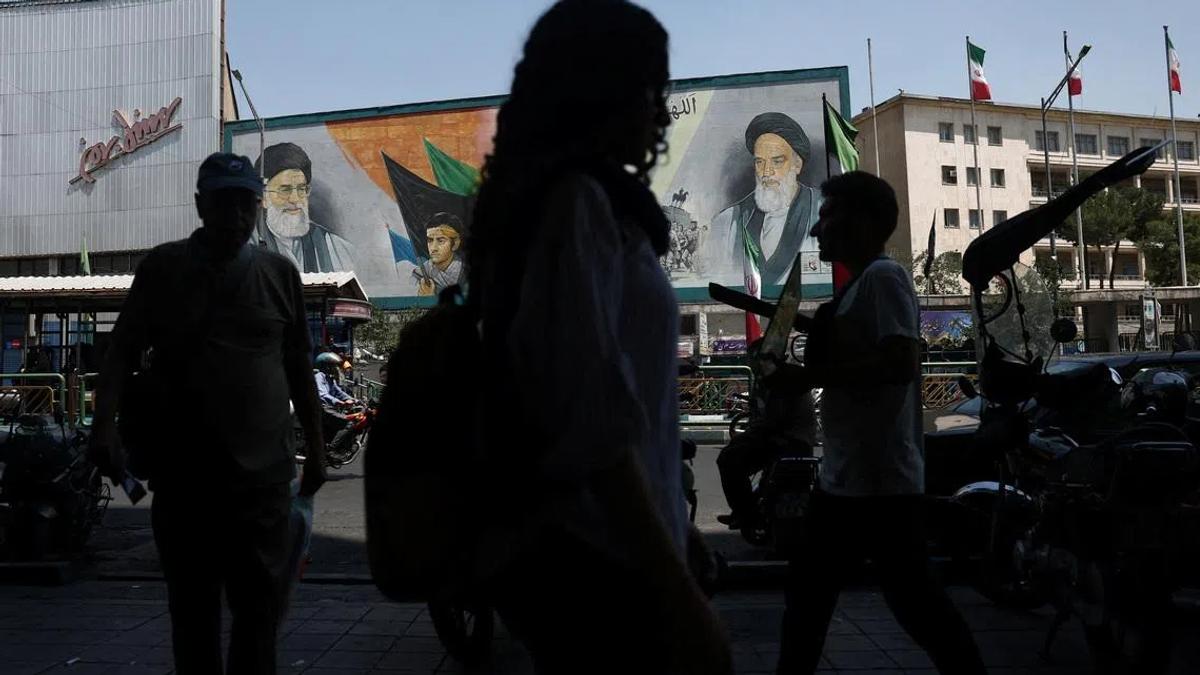
The recent exchange of strikes between Iran and the US is a symptom of a deeper conflict that has been brewing in the Middle East for months. The roots of this conflict can be traced back to the joint US-Israeli strikes against Iran in February, which marked the beginning of a wider war in the region.
The Strait of Hormuz is a critical waterway that connects the Persian Gulf to the Gulf of Oman, and is a vital conduit for oil and gas shipments. Iran's control of the strait has been a major point of contention between Tehran and the US, with Washington seeking to ensure the free flow of energy through the region.
US President Donald Trump's decision to order strikes near the Strait of Hormuz was a deliberate provocation, aimed at testing Iran's resolve and pushing the country to respond. Trump's statement that the helicopter incident was "not a big deal" and that the pilot was fine, was a clear attempt to downplay the significance of the event and avoid escalating the situation.
Iran's Revolutionary Guards responded to the US strikes with a series of attacks against US bases in Jordan and the Gulf. The targets included F-35 fighter jet hangars and a command-and-control centre at the US al-Azraq base in Jordan, as well as the US Fifth Fleet in Bahrain. The Iranian strikes were a clear message to the US that Tehran will not be intimidated and will defend its interests in the region.
The escalation in hostilities has significant regional implications, with the potential to draw in other countries and further destabilize the Middle East. The conflict has already had a major impact on oil prices, with prices climbing about 1% in early Asian trade on Wednesday.
The future consequences of this escalation are uncertain, but one thing is clear: the situation in the Middle East is becoming increasingly volatile. The prospects for a peace deal to end the wider Middle East war are dwindling, and the risk of further conflict is growing. The international community must take a more active role in mediating the conflict and finding a peaceful resolution to the crisis.
Editor's Note: While the Iranian strikes were a significant escalation, it is unclear whether this marks a turning point in the conflict. The situation remains fluid, and the potential for further conflict is high.
Source referenced: STRAITSTIMES
This brief was synthesized by our Editorial Engine and reviewed by The Ground Narrative team.


