TRENDING

Tuesday, 27 October 2026
----------------------
16 Jumada Al-Awwal 1448 AH
Iran has rejected a US plan to use frozen Iranian funds for compensating ships allegedly damaged in the Gulf, warning that any vessel accepting such payments would be banned from the critical Strait of Hormuz. This development significantly escalates tensions over maritime security and financial sanctions in a vital global chokepoint.
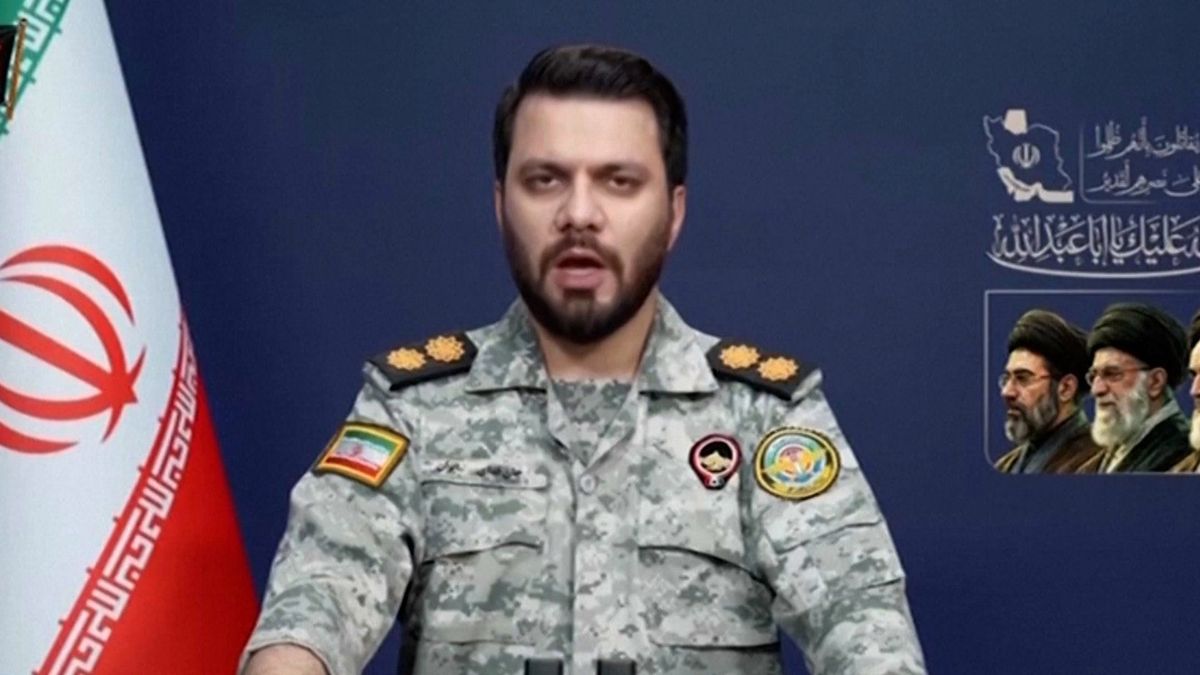
In a significant escalation of tensions, Iran has vehemently rejected a proposal by US President Donald Trump to utilize frozen Iranian funds for compensating vessels allegedly damaged by Iranian actions in the Gulf. The Islamic Revolutionary Guard Corps (IRGC) spokesperson, Ebrahim Zolfaghari, issued a stark warning on July 28, 2026, stating that any ship accepting such compensation would be prohibited from transiting the strategically vital Strait of Hormuz. This declaration underscores the deep-seated animosity between Washington and Tehran and carries substantial implications for global maritime security and energy markets.
The US proposal, articulated by President Trump, aims to hold Iran financially accountable for alleged attacks on shipping in the Gulf region. While the specific incidents were not detailed in the report, the context points to a series of maritime disruptions and attacks that have plagued the region in recent years, often attributed by Western powers to Iran or its proxies. The "frozen Iranian funds" in question likely refer to billions of dollars of Iranian assets held in foreign banks, primarily due to stringent US sanctions imposed following the US withdrawal from the Joint Comprehensive Plan of Action (JCPOA), or Iran nuclear deal. From the US perspective, leveraging these frozen assets serves as a punitive measure and a means to deter future Iranian actions, while simultaneously providing restitution to affected parties. It represents a continuation of the "maximum pressure" campaign designed to compel Iran to renegotiate a broader agreement on its nuclear program, ballistic missiles, and regional influence.
Iran's immediate and forceful rejection of this plan highlights its unwavering stance against what it perceives as illegal seizure and redistribution of its national assets. Tehran views the frozen funds as sovereign property, unjustly withheld under unilateral US sanctions. The IRGC spokesperson's warning regarding the Strait of Hormuz, however, elevates this financial dispute into a direct challenge to international maritime freedom and global trade. The Strait of Hormuz, a narrow chokepoint between the Persian Gulf and the Gulf of Oman, is one of the world's most critical maritime passages, through which approximately one-fifth of global oil consumption, along with significant volumes of liquefied natural gas (LNG), transits daily.
Iran's threat to ban vessels from this strait is a potent demonstration of its perceived leverage and a clear signal of its willingness to disrupt global commerce in response to what it considers hostile US actions. This tactic is not new; Iran has historically used the threat of closing or impeding transit through the Strait of Hormuz as a strategic tool to deter aggression, protest sanctions, or retaliate against perceived provocations. Such a ban, if enforced, would have immediate and severe repercussions for global energy prices, supply chains, and the stability of the international economy.
This latest development is deeply embedded in the broader geopolitical rivalry between the United States and Iran, which has intensified since the US withdrawal from the JCPOA in 2018. The US seeks to curb Iran's regional influence and nuclear ambitions, while Iran aims to resist external pressure, assert its sovereignty, and challenge the legitimacy of US sanctions.
For the United States, the plan to use frozen funds is a financial and diplomatic maneuver aimed at increasing pressure on Iran and demonstrating solidarity with affected shipping companies. It also serves to reinforce the narrative that Iran is responsible for regional maritime instability. For Iran, the rejection and the Hormuz threat are multi-faceted:
* Assertion of Sovereignty: A clear message that Iran will not allow its assets to be unilaterally appropriated or redistributed by a foreign power.
* Deterrence: A warning to the international shipping community and other nations against cooperating with US punitive measures, thereby undermining the effectiveness of the US plan.
* Leverage: A reminder of Iran's capacity to inflict economic pain on the global economy, particularly through its control over the Strait of Hormuz, thereby seeking to deter further US escalation.
* Domestic Audience: A demonstration of strength and defiance to a domestic audience facing economic hardship due to sanctions.
The implications of Iran's warning are far-reaching. Regionally, it heightens the risk of miscalculation and direct confrontation in the Gulf. Any attempt by Iran to enforce such a ban could lead to a military response from the US and its allies, who are committed to ensuring freedom of navigation. This could destabilize an already volatile region, impacting oil production, trade routes, and the security of neighboring states.
Globally, the threat poses a significant challenge to international maritime law and the principle of freedom of navigation. Shipping companies and insurers will face increased uncertainty and risk, potentially leading to higher shipping costs, rerouting of vessels, and disruptions to global supply chains. The global oil market, highly sensitive to events in the Middle East, would likely react with price volatility, impacting consumers and economies worldwide. This situation also tests the resolve of the international community to uphold maritime security in critical chokepoints.
The latest exchange between Washington and Tehran represents a dangerous escalation in their long-standing rivalry. Iran's rejection of the US funds plan, coupled with its explicit threat regarding the Strait of Hormuz, transforms a financial dispute into a direct challenge to global maritime security and economic stability. As both sides appear entrenched in their positions, the international community watches closely, aware that any misstep in this critical waterway could trigger a broader conflict with severe geopolitical and economic consequences. The episode underscores the persistent fragility of peace in the Persian Gulf and the enduring strategic importance of the Strait of Hormuz in global affairs.
Source referenced: ALJAZEERA
This brief was synthesized by our Editorial Engine and reviewed by The Ground Narrative team.