TRENDING

Sunday, 25 October 2026
----------------------
14 Jumada Al-Awwal 1448 AH
The Houthi attack on Saudi oil installations has led to a significant slowdown in Red Sea shipping, disrupting global oil supplies and raising prices to two-month highs.
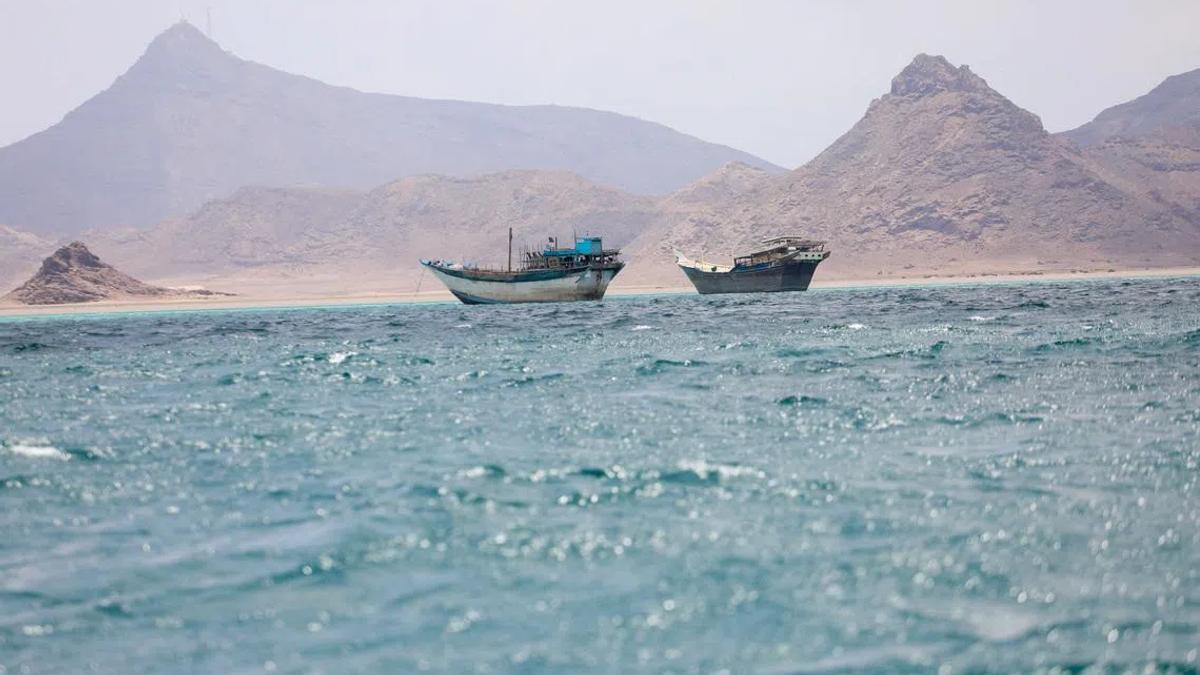
The recent Houthi attack on Saudi oil installations along the Red Sea coast has led to a significant slowdown in shipping traffic through the Bab el-Mandeb strait. According to data from Kpler, only 11 commodity vessels passed through the strait on July 26, the lowest level in months. This disruption is a direct result of the Houthi blockade, which aims to disrupt Saudi exports and raise crude prices in the Middle East, Europe, and Africa.
The Houthi blockade is a strategic move to expand the US-Iran conflict, which has already choked oil supply through the Strait of Hormuz. By targeting Saudi oil installations, the Houthis are attempting to weaken Saudi Arabia's economy and create a power vacuum in the region. This move is also a response to the ongoing US-Iran tensions, which have been escalating since the US withdrew from the Iran nuclear deal in 2018.
The Bab el-Mandeb strait is a critical shipping route that connects the Red Sea to the Gulf of Aden. It is a key transit point for oil tankers, and any disruption to shipping traffic through this strait can have significant consequences for global oil supplies. The Houthi blockade is not a new development, as the group has been targeting Saudi oil installations since last week. However, the recent attack has led to a significant increase in tensions in the region.
The Houthi blockade has significant implications for regional stability. The disruption to shipping traffic through the Bab el-Mandeb strait can lead to a shortage of oil supplies, which can have a ripple effect on the global economy. The blockade also puts pressure on Saudi Arabia's economy, which is heavily reliant on oil exports. The US and other Western countries have condemned the Houthi attack, and it is likely that they will take steps to support Saudi Arabia in the coming days.
The Houthi blockade has the potential to escalate into a full-blown conflict in the region. The US and Iran are already engaged in a proxy war in Yemen, and the Houthi blockade is a direct challenge to Saudi Arabia's sovereignty. The situation is further complicated by the presence of other regional actors, including the UAE and Qatar, which have their own interests in the region. The future consequences of the Houthi blockade are uncertain, but it is likely that the situation will continue to deteriorate unless a diplomatic solution is found.
The Houthi blockade has significant implications for regional stability and global oil supplies. The disruption to shipping traffic through the Bab el-Mandeb strait can lead to a shortage of oil supplies, which can have a ripple effect on the global economy. The blockade also puts pressure on Saudi Arabia's economy, which is heavily reliant on oil exports. The US and other Western countries have condemned the Houthi attack, and it is likely that they will take steps to support Saudi Arabia in the coming days. The situation is complex and uncertain, but one thing is clear: the Houthi blockade is a major escalation of the conflict in the region, and it will have far-reaching consequences for regional stability and global oil supplies.
Editor's Note: The analysis is based on available data and information, but the future consequences of the Houthi blockade are uncertain and may depend on various factors, including diplomatic efforts and regional developments.
Source referenced: STRAITSTIMES
This brief was synthesized by our Editorial Engine and reviewed by The Ground Narrative team.