TRENDING

Monday, 5 October 2026
----------------------
24 Rabi' Al-Thani 1448 AH
A thick layer of more than 12 miles of rock may explain why Bermuda seems to float above the surrounding ocean.
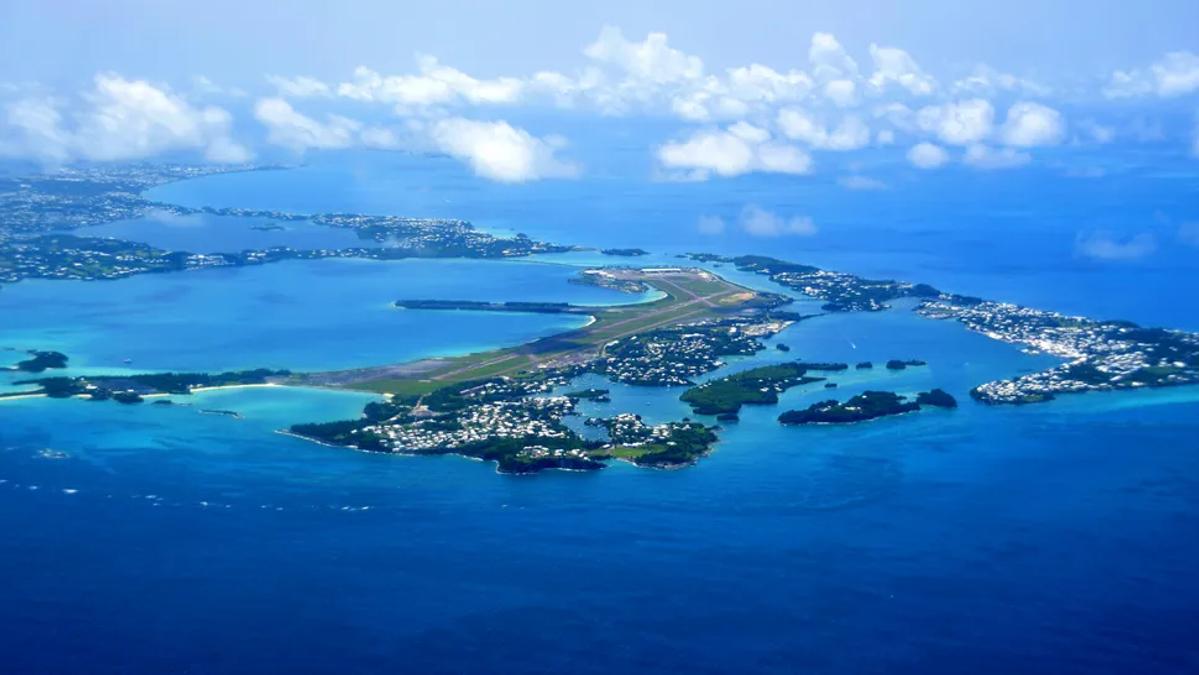
Geologists have uncovered an enormous, 12.4‑mile‑thick (20 kilometers) slab of rock sitting under the oceanic crust beneath Bermuda, a structure unlike anything seen beneath other parts of the seafloor. Instead of crust transitioning directly into mantle, seismic data show a distinct, low‑density layer embedded within the tectonic plate, which may be a relic of ancient volcanic activity that ended around 31 million years ago.
Researchers think this buried layer could act like a solidified “raft” of mantle material, propping up the Bermuda oceanic swell and keeping the seafloor about 500 meters higher than its surroundings even though there is no active hotspot or recent eruptions at the surface. Using recordings of distant earthquakes from a seismic station on the island, scientists imaged rock down to roughly 50 km depth and linked the anomaly to leftover magma from Bermuda’s volcanic past.
Independent experts note that Bermuda’s magmas are unusually low in silica and rich in carbon, suggesting their source rock was modified by carbon‑bearing material driven into the mantle when the super continent Pangea formed, making Bermuda very different from classic hotspot islands like Hawaii. They argue that this location in what was once the heart of Pangea may explain why the structure is so unique and why the swell has persisted for tens of millions of years. Ongoing work is now probing other islands to see whether similar buried layers exist elsewhere or whether Bermuda truly represents a one‑of‑a‑kind geologic oddity.