What Happened
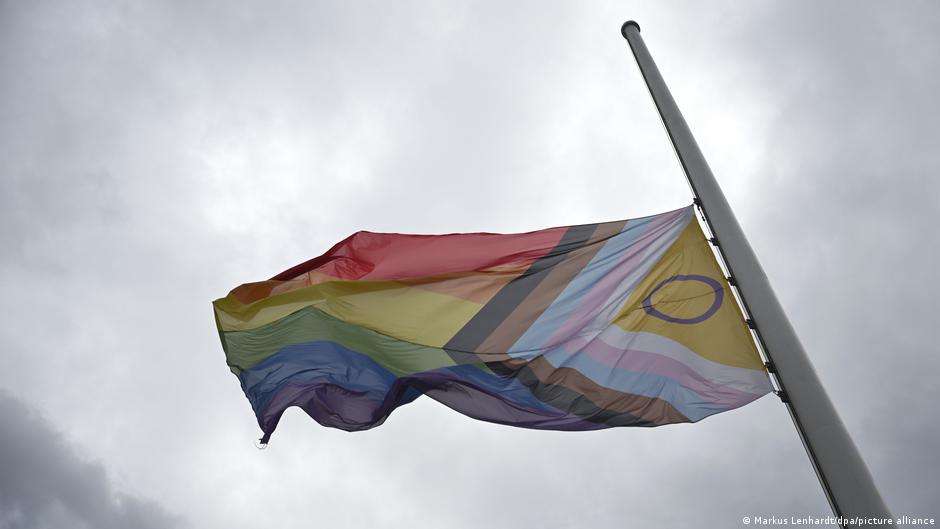
A recent car attack on Berlin's Pride celebration has reignited discussions about LGBTQ+ rights in Germany. The center-left Social Democrats (SPD) are pushing to enshrine LGBTQ+ rights in the German constitution, which currently does not explicitly protect gender identity or sexual orientation. This move comes as Germany still grapples with areas where queer people are not fully equal under the law, including parentage law and surrogacy.
The Power Mechanics
The push for LGBTQ+ rights in Germany is not just a moral imperative, but also a matter of political survival for the SPD. By championing these rights, the party aims to distinguish itself from the conservative Christian Democratic Union (CDU) and appeal to progressive voters. However, the CDU's stance on surrogacy, which is currently illegal in Germany, has been complicated by the revelation that high-ranking CDU politician Jens Spahn had a child via surrogacy in the US. This hypocrisy has put pressure on the CDU to reexamine its position.
The Human Cost
The lack of constitutional protection and restrictive laws in some European countries has a direct impact on the lives of LGBTQ+ individuals. In Germany, queer families face complex legal situations, and surrogacy is illegal. In Italy, the right-wing government has introduced laws that restrict LGBTQ+ rights, including a ban on surrogacy and the removal of legal motherhood from non-biological mothers. In Russia, the systematic persecution of LGBTQ+ individuals has led to a climate of fear, with many facing prison sentences or fleeing the country.
The Untold Story
What is often downplayed in discussions about LGBTQ+ rights is the role of powerful actors, such as governments and corporations, in shaping public opinion and influencing legislation. In Hungary, the previous government's restrictive laws were often justified as a means of protecting traditional family values. However, the new government's potential reversal of these laws may indicate a shift in the country's stance on LGBTQ+ rights. Meanwhile, in Russia, the government's extremist designation of the LGBTQ+ community has led to a culture of fear and repression.
What to Watch
As the landscape of LGBTQ+ rights in Europe continues to evolve, several key developments bear watching. In Germany, the SPD's push for constitutional protection will likely face resistance from the CDU and other conservative forces. In Hungary, the new government's plans to revise anti-LGBTQ+ legislation will be closely watched by the queer community and human rights organizations. In Russia, the ongoing persecution of LGBTQ+ individuals will continue to be a major concern, with many advocating for international pressure to be brought to bear on the Russian government.