TRENDING

Sunday, 25 October 2026
----------------------
14 Jumada Al-Awwal 1448 AH
The ongoing Ebola outbreak in Africa is being hindered by misinformation and mistrust, complicating efforts to contain the disease. This development has significant implications for regional stability and global health security.
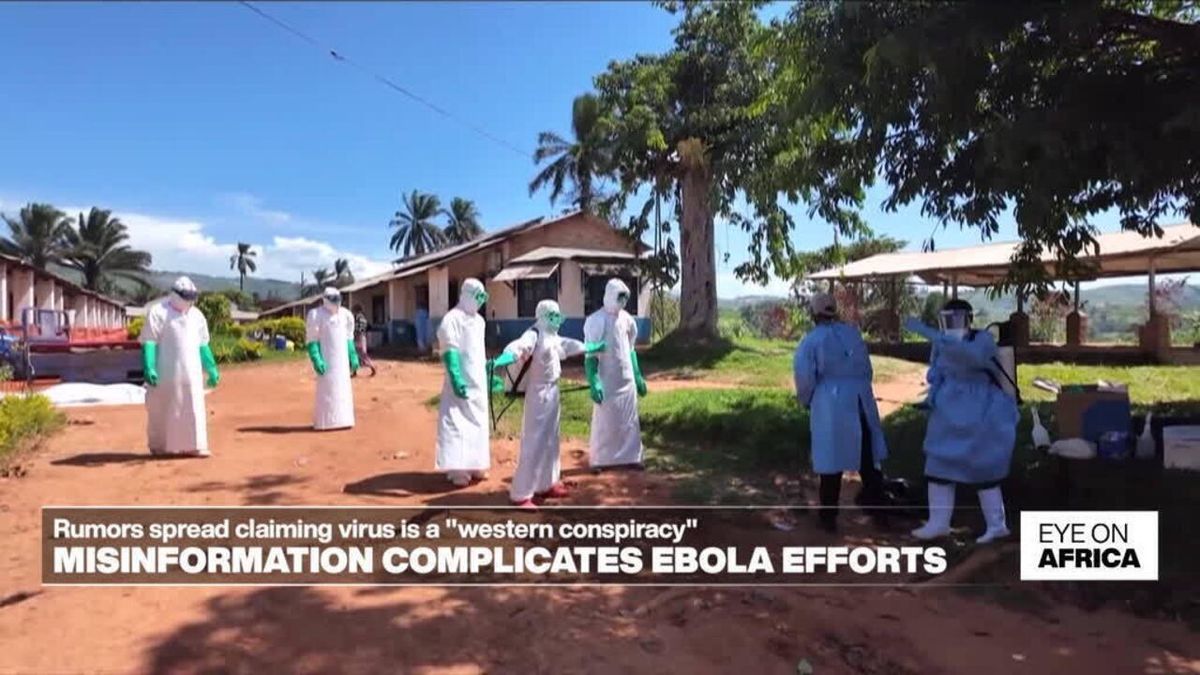
The ongoing Ebola outbreak in Africa has been further complicated by the spread of misinformation and mistrust. This development has significant implications for regional stability and global health security.
Misinformation has long been a challenge in public health crises, and the Ebola outbreak is no exception. Rumors and misconceptions about the disease have led to mistrust of healthcare workers and government officials, making it difficult to contain the outbreak. In some cases, misinformation has even led to violent protests against Ebola quarantine facilities.
Mistrust of healthcare workers and government officials is not a new phenomenon in Africa. In the past, mistrust has been fueled by historical events such as colonialism, slavery, and forced vaccinations. This mistrust has been exacerbated by the lack of transparency and accountability in healthcare systems, making it difficult for communities to trust healthcare workers and government officials.
The spread of misinformation and mistrust has significant implications for regional stability. In the context of the Ebola outbreak, misinformation has led to violent protests and the destruction of Ebola quarantine facilities. This has not only hindered efforts to contain the outbreak but also created a sense of insecurity among local communities.
The long-term consequences of misinformation on global health security are significant. In the context of the Ebola outbreak, misinformation has highlighted the need for more effective communication strategies and community engagement. This requires a more nuanced understanding of the complex factors that contribute to mistrust and misinformation in public health crises.
The Ebola outbreak is a complex geopolitical challenge that requires a multifaceted approach. Addressing the spread of misinformation and mistrust is critical to containing the outbreak and preventing future public health crises. This requires a more nuanced understanding of the complex factors that contribute to mistrust and misinformation in public health crises and the development of more effective communication strategies and community engagement.
Editor's Note: While the spread of misinformation and mistrust is a significant challenge in the Ebola outbreak, the long-term consequences of misinformation on global health security are uncertain and require further research and analysis.
Source referenced: FRANCE24
This brief was synthesized by our Editorial Engine and reviewed by The Ground Narrative team.